Provides diagnostic evidence for primary and secondary vitamin deficiencies and supports personalized treatment plans to improve therapeutic outcomes.
Provides guidance for appropriate vitamin supplementation during pregnancy to improve neonatal health.
Supports personalized nutritional plans and disease prevention strategies for children.
Provides scientific guidance for vitamin supplementation to help prevent suboptimal health and chronic diseases.
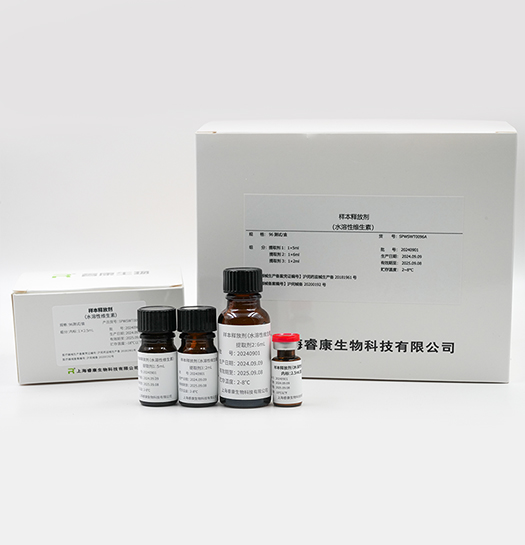
All water-soluble vitamins participate in catalytic functions. B vitamins are essential components of many coenzymes responsible for the transfer of hydrogen, electrons, or functional groups. They are involved in enzyme-catalyzed metabolism of carbohydrates, lipids, proteins, and nucleotides.
Unlike fat-soluble vitamins, water-soluble vitamins generally do not accumulate in the body; however, long-term excessive intake may still cause adverse effects. High doses of vitamin B2 may cause yellow discoloration of urine, while excessive vitamin B6 intake may lead to ataxia and severe sensory neuropathy.


 Tel : 021-60838199
 Customer Service Line : 400-839-8199
 Fax : 021-60705089
 Address : Floor 3&4, 1st Building of Building 1,
 Scan to Follow Us

Copyright © 2025 Shanghai Reigncom Biotech Co., Ltd. 沪ICP备17039165号-1 | Technical Support
