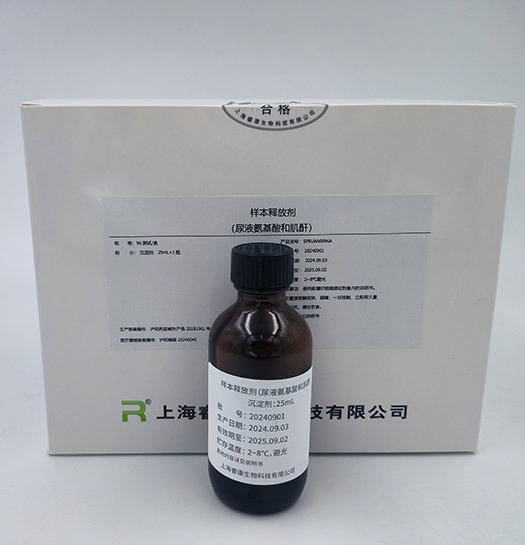
Amino acids are biologically important organic compounds and the basic building blocks of proteins. They determine the molecular structure of proteins and confer their biochemical activity. In addition to protein synthesis, amino acids promote cardiovascular health, participate in neurotransmitter synthesis, support metabolism, and possess antioxidant properties. Different amino acids have distinct physiological functions that are essential for normal body function.
Urinary amino acid profiling is an important tool for the detection of renal tubular transport disorders, inherited metabolic diseases, and clinical research. Renal tubules play a critical role in regulating amino acid reabsorption. Impaired tubular transport may affect amino acid reabsorption, resulting in abnormal urinary amino acid excretion. Therefore, urinary amino acid analysis can be used to assist in the evaluation of renal tubular transport function.
Certain inherited disorders, such as amino acid metabolism disorders (e.g., cystinuria), can lead to abnormal urinary amino acid excretion. Measurement of urinary amino acids can assist clinicians in the diagnosis of these metabolic disorders. Urinary amino acids may also serve as biomarkers for certain diseases and provide reference information for the differential diagnosis of inflammatory bowel disease (IBD) and tumors.
Creatinine is a compound produced during muscle energy metabolism through the metabolism of phosphocreatine. Healthy kidneys filter creatinine from the bloodstream. As a metabolic waste product excreted in urine, creatinine is commonly used as an indicator of renal filtration function.

 Tel : 021-60838199
 Customer Service Line : 400-839-8199
 Fax : 021-60705089
 Address : Floor 3&4, 1st Building of Building 1,
 Scan to Follow Us

Copyright © 2025 Shanghai Reigncom Biotech Co., Ltd. 沪ICP备17039165号-1 | Technical Support
